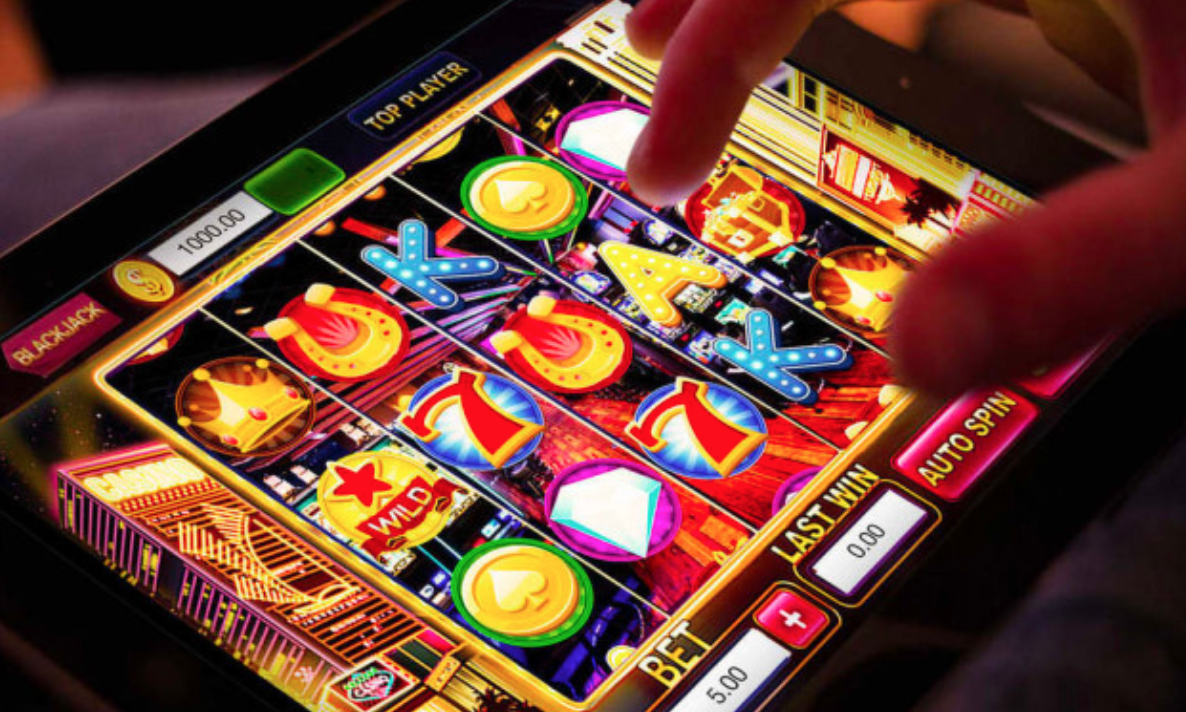
Have you noticed how quickly a short betting session can move from a desktop screen to a mobile phone? That shift is not simply a matter of convenience. It reflects a wider change in how UK players discover games, compare promotions and manage their gambling activity in 2026.
For users assessing the 1win Casino Mobile App, the central question is less about downloading software and more about how a mobile-first casino experience fits changing player behaviour. Faster loading, compact game menus and mobile payment options are influencing expectations across the online casino market.
UK mobile casino market overview
Mobile devices now sit at the centre of digital gambling journeys. Industry monitoring consistently shows that smartphones account for the majority of online casino visits, while desktop remains important for research, account management and longer sessions. This split suggests that players use mobile for immediacy but still value larger screens when comparing terms or reviewing account details.
The most significant trend in 2026 is the move towards shorter, more frequent sessions. Rather than reserving casino play for a single evening, many users check game releases, promotional pages or account balances during brief periods throughout the day. This behaviour increases the importance of clear navigation, transparent wagering terms and tools that make spending limits easy to find.
Game selection is changing as well. Online slots continue to attract the broadest audience because they work naturally on smaller screens, but live casino tables and instant games are gaining attention. Players increasingly expect vertical layouts, quick loading and interfaces that remain readable without repeated zooming. In practical terms, mobile design is becoming a competitive feature rather than a technical extra.
How a mobile casino experience works
Access, registration and verification
A typical mobile journey begins with account registration or a secure sign-in. UK-facing operators may request identity and age information before allowing real-money play. This process can feel more noticeable on a phone, where document uploads and form completion take place on a smaller display. A well-designed platform reduces friction without weakening verification standards.
Games, payments and account controls
Once logged in, players generally move between slots, table games, live products and promotional areas through a simplified menu. Mobile users tend to favour search tools, recently played lists and filters by volatility, jackpot type or game provider. These features help explain why app-based casino visits can be more purposeful than browsing on a full-sized computer.
Payment performance is another major influence. Card deposits, bank transfer services and digital wallets must be presented with clear minimums, processing times and withdrawal conditions. The strongest mobile experiences also place deposit limits, reality checks, session reminders and self-exclusion information within the account area, rather than hiding them in lengthy help pages.
FAQ: mobile casino behaviour in 2026
- Are mobile casino apps safer than mobile websites?
Neither format is automatically safer. Security depends on encryption, account controls, responsible gambling tools and the operator’s licensing and verification procedures. - Why do players prefer mobile slots?
Slots usually load quickly, require limited screen space and support short sessions. Their simple controls suit users who want to play without navigating complex menus. - Do mobile promotions change player behaviour?
They can. Time-limited offers may increase visit frequency, while wagering requirements and expiry dates influence which games players select. Terms should always be read before a deposit. - What should UK players check first?
They should review age restrictions, licensing information, payment rules, withdrawal conditions, privacy details and available deposit or session limits. - Can mobile play encourage overspending?
Constant access may make it easier to continue beyond an intended session. Setting a budget, using reminders and taking regular breaks can help maintain control.
Key mobile casino indicators
| Indicator | 2026 market signal | Why it matters |
|---|---|---|
| Primary access device | Mobile-led | Operators must prioritise responsive design and rapid loading. |
| Typical session pattern | Shorter, repeated visits | Clear limits and session reminders become more important. |
| Popular game format | Mobile-friendly slots | Simple controls and portrait layouts support frequent use. |
| Account expectation | Fast verification and payments | Delays can affect trust and withdrawal satisfaction. |
| Player priority | Convenience with transparency | Bonuses, fees and conditions need to be easy to understand. |
What the trend means for players and operators
The mobile casino market is maturing. Speed alone no longer distinguishes one platform from another; players are becoming more attentive to reliability, responsible gambling features and the clarity of promotional rules. Operators that treat mobile as a complete product, rather than a smaller version of a desktop site, are better placed to retain informed users.
For UK players considering a mobile casino brand in 2026, the most useful approach is analytical. Compare the game catalogue, check the payment timetable, read bonus restrictions and set a personal budget before playing. Convenience may explain the growth of mobile gambling, but transparency and control will determine whether that growth remains sustainable.